READING GIVES US AN OCEAN OF KNOWLEDGE, and knowledge is our source of strength.
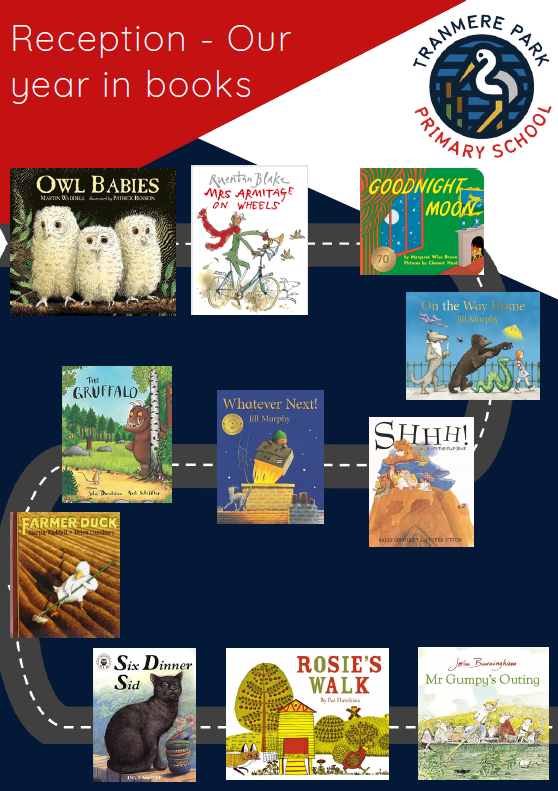
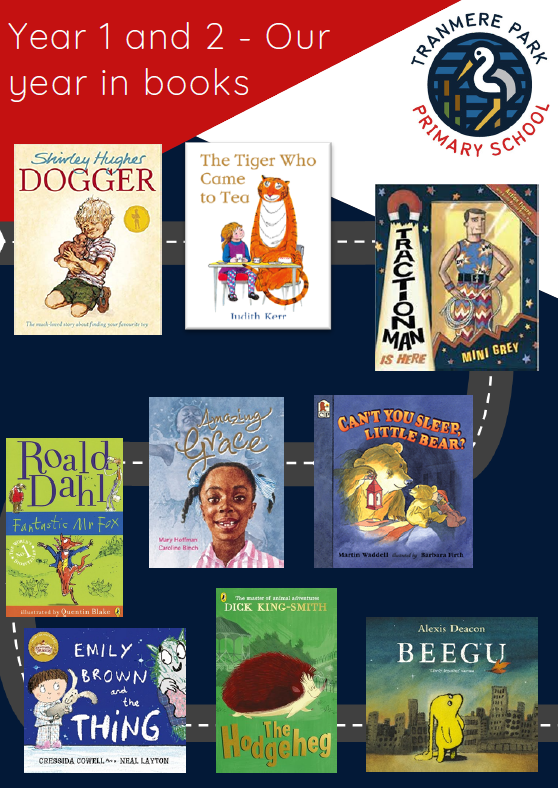
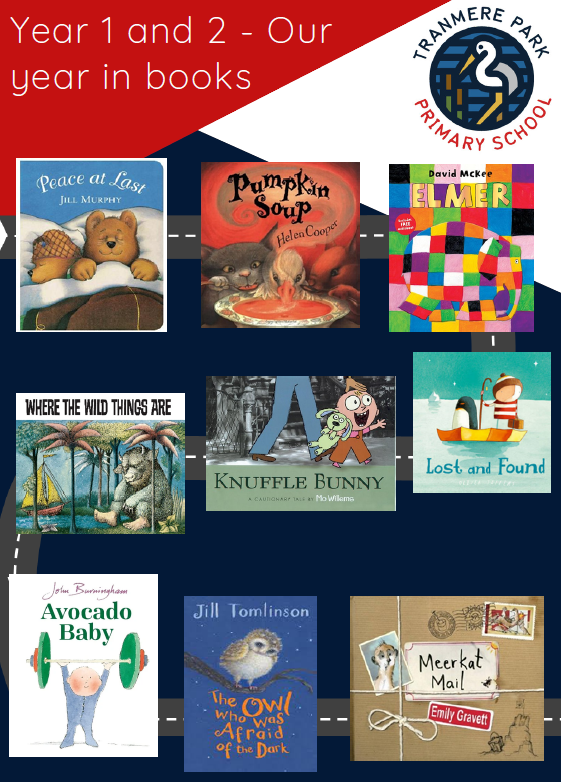
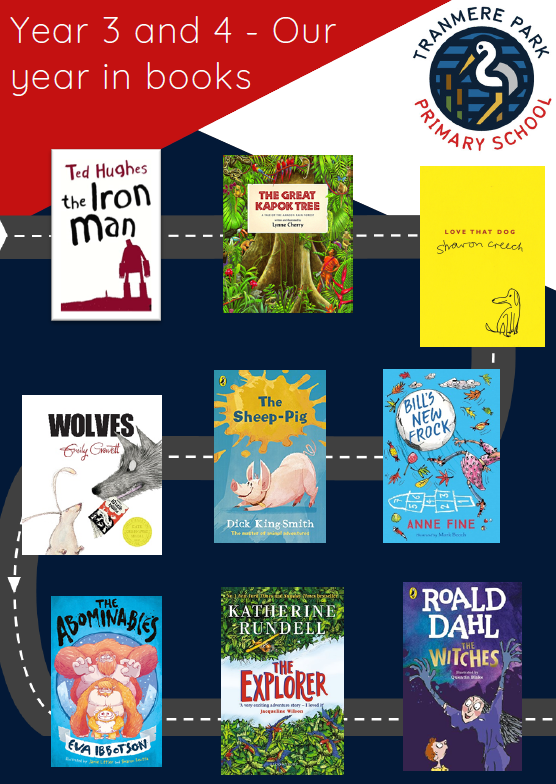
We feel passionately that developing a love of reading from an early age will benefit our children hugely: personally, socially and educationally. Therefore, reading is at the heart of everything we do. Through the use of carefully chosen texts, we expose our children to literature that will spark their passions and develop a love of English. These texts are sometimes linked to our topics to ensure that it is meaningful and exciting. Please see ‘Our Year in Books’ below. In EYFS, these books are studied annually. In KS1 and KS2, we undertake one journey during our first cycle and the second journey in the following year.
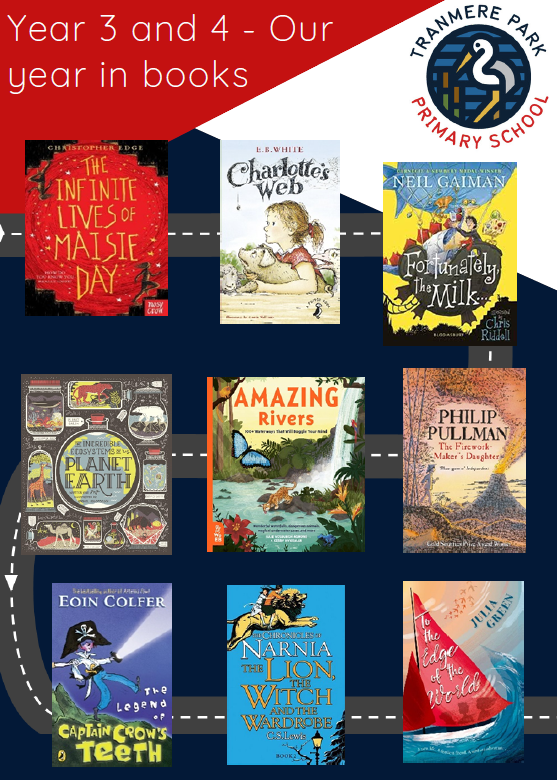
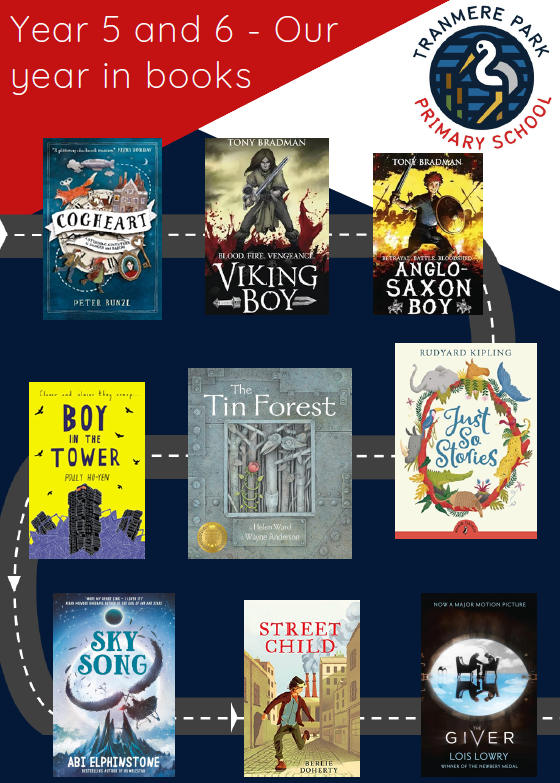
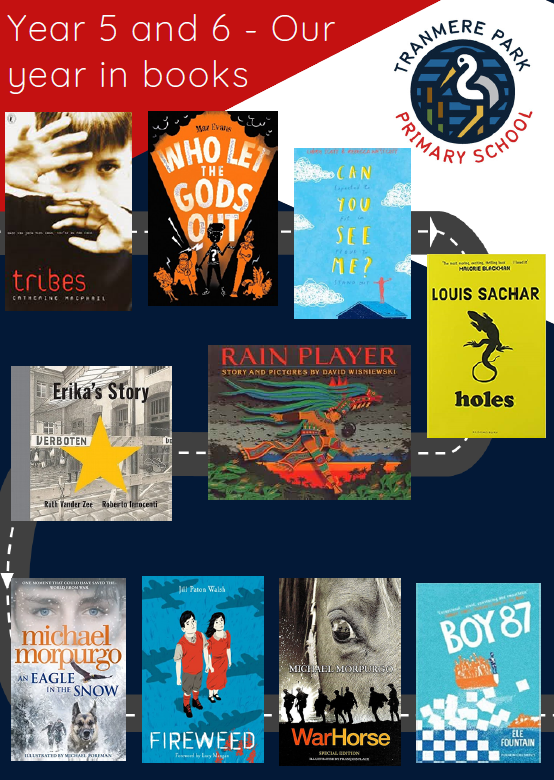
Each classroom is equipped with a reading area containing a broad range of carefully selected texts. These texts are age appropriate, incorporate a range of genres and have been purposely chosen to engage and inspire children’s love of reading. Alongside this, we have invested greatly in reading resources to support and supplement our teaching. These include Pie Corbett reading spine sets, KS2 class sets of books, high quality texts (based on the work of Mary Myatt) to support our Topic teaching, and specific year group books for daily shared class reading from Doug Lemov and ‘The 5 Plagues of a Developing Reader’. This ensures that we are exposing our children to: archaic language, non-linear time sequences, narrative complexity, figurative and symbolic texts and resistant texts. Leeds Library Service also supplement our reading stock; providing us with a broad range of texts that help to foster and develop a love of reading as well as supporting and extending learning across the curriculum.
“Sharing a book with a child is fun! It’s a time for closeness, laughing and talking together-and can also give children a flying start in life and help them to become lifelong readers.” Book Trust
Click on the buttons below for 100 recommend reads in your child’s year group.
Pie Corbett's Reading Spine
We want our school to be a place where children are read to, enjoy, discuss and work with high quality books. These ‘essential reads’ would be a store of classics, creating a living library inside a child’s mind. This is the ‘Reading Spine’. We have provided the Pie Corbett reading spine in our classrooms so that children have access to these high quality texts.
Pie Corbett says…
Great books build the imagination. The more we read aloud expressively, and the more children are able to savour, discuss and reinterpret literature through the arts, the more memorable the characters, places and events become, building an inner world. A child who is read to will have an inner kingdom of unicorns, talking spiders and a knife that cuts into other worlds. The mind is like a ‘tardis’; it may seem small but inside there are many mansions. Each great book develops the imagination and equips the reader with language. Great stories speak to us as individuals and some children will return to certain books again and again. Great stories also build our language because around 75 per cent of our vocabulary comes from our reading. Reading develops the ability to think in the abstract; to follow lines of thought. Schools that have a reading spine, build a common bank of stories that bind the community together. These are shared and deeply imagined common experiences.
The 5 Plagues of Reading
In his book ‘Reading Reconsidered’, Doug Lemov points out that there are five types of texts that children should have access to in order to successfully navigate reading with confidence. These are complex and demand more from the reader than other types of books.
The five text types are:
Archaic Language
The vocabulary, usage, syntax and context for cultural reference of texts over 50 or 100 years old are vastly different and typically more complex than texts written today. Children need to be exposed to and develop proficiency with antiquated forms of expression to be able to hope to read more complex texts.
Non-Linear Time Sequences
Stories where time flows back and forth in a complex manner not just flows in one direction.
Narratively Complex
Some books have more than one narrator telling the story or non-human narrators such as the horse who tells the story in Black Beauty.
Complexity of story
Where the plot and symbols used are more complicated for example interwoven plots.
Resistant Texts
This refers to texts which are difficult to understand, texts that deliberately resist comprehension. You have to assemble meaning around nuances, hints, uncertainties and clues.
Please contact us if you require further information about our curriculum.